Stronger, Quieter: Home Workouts That Keep the Peace
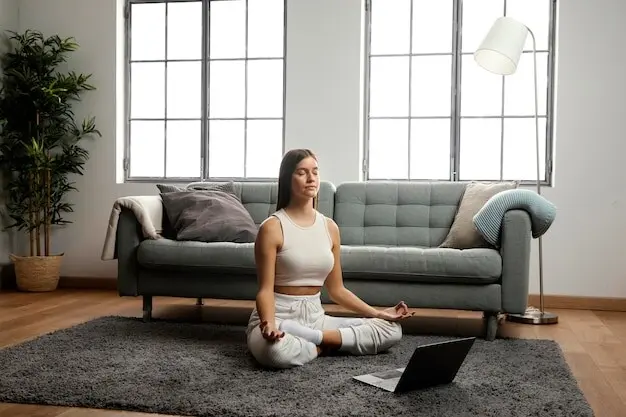
Today we dive into low-impact strength training plans for upstairs neighbors, turning your apartment into a calm, capable training space. Expect smart programming that builds real muscle and resilience without thuds, bangs, or irritated texts. Discover gentle mechanics, clever equipment choices, and breath-led tempos that protect floors, soothe nerves, and still push progress. Join a supportive community, share your setup, and learn routines that respect quiet hours while delivering measurable gains in strength, confidence, and consistency.

Understanding Noise-Friendly Movement Mechanics

Building strength upstairs demands respect for physics and acoustics. Instead of chasing explosive impacts, we manage force with controlled deceleration, balanced stance, and tension that stays inside muscles rather than slamming into floorboards. Learn how ground reaction forces travel through structures, why soft landings and isometrics are powerful, and how thoughtful footwear, layering, and cadence keep your training effective and nearly silent in shared living spaces.
Quiet training starts by reducing peak forces, not total effort. Emphasize slow eccentrics, deliberate foot placement, and gentle transitions between positions. Replace jumps with step-backs, hops with controlled calf raises, and crashes with pauses. Keep shoulders stacked over hips to spread load. Let strength show as steadiness, using isometrics and long exhale patterns to absorb energy internally so neighbors feel calm floors, not vibrating ceilings.
Sound travels through building frames as low-frequency vibrations. Counter that with layered surfaces: a dense rug, a thick yoga mat, and, if possible, interlocking rubber tiles. Train barefoot or in soft-soled shoes to reduce squeaks and heel strikes. Add a folded towel under knees or elbows for anchors. Even simple fixes like shifting heavy sets away from shared walls reduce carrying noise and transform workouts into peaceful routines.
Control volume with cadence you can whisper. Use a 4–2–2 tempo for squats and presses, extending time under tension without stomps. Breathe through the nose during effort to prevent explosive exhales and abrupt bracing sounds. Pause just above the floor on push-ups and at mid-shin during hinges to reduce bounce. Quiet, purposeful rhythm produces stronger muscle contractions, steadier joints, and dramatically fewer vibrations traveling into your neighbor’s lamp shades.

Phase 1: Activation and control

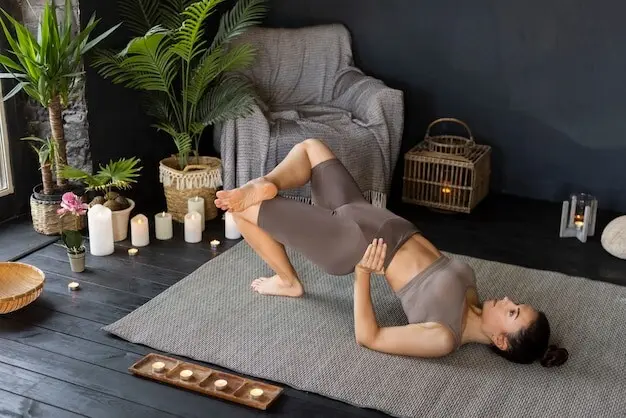
Begin with foundations that anchor your body. Think glute bridges with pauses, dead bugs with slow exhales, and split squat holds to organize hips and knees. Perform 2–3 sets, 30–45 seconds holds, RPE 6–7, focusing on posture over burn. Practice quiet transitions between exercises. Finish with gentle ankle rocks and wall-supported calf raises to teach light foot contacts. By week’s end, balance improves and the floor remains serenely still.

Phase 2: Strength without stomping

Now layer resistance without raising volume. Use slow-eccentric goblet squats, banded rows anchored at the door hinge, and tall-kneeling presses. Apply 4–1–2 tempos, 3 sets of 6–10 controlled reps. Rest longer than usual to keep breathing even. Swap burpees for elevated push-ups with dead stops. Add suitcase holds with a backpack padded by towels to mute clinks. You’ll feel stronger tension with none of the usual ruckus.

Phase 3: Quiet power expression

Translate strength into gentle power. Try band-resisted split squats with fast-but-soft up phases, then freeze the top to avoid heel slaps. Use EMOMs with low-impact drills like step-backs, light med ball presses into a pillow, and bear crawl hovers. Keep reps crisp, landings silent, and breathing smooth. End sessions with long exhales and spinal decompression on the floor, leaving both muscles and downstairs neighbors happily relaxed.

Equipment That Protects Your Downstairs Peace

You don’t need a full gym to get strong; you need tools that build tension quietly. Prioritize dense mats, thick rugs, and supportive surfaces to buffer vibrations. Choose bands, sliders, and backpacks over clanking plates. Anchor thoughtfully, pad contact points, and position heavier work away from shared beams. With a few strategic investments and clever household substitutions, you’ll create a calm training corner that performs like a studio without the soundtrack.

Mats and layering hacks

Start with a quality yoga mat, then add a dense rug or carpet square underneath. Interlocking EVA or rubber tiles further dampen low-frequency transfer. For kneeling or plank anchors, fold a towel twice for extra cushion. Place your setup over the most solid part of the floor, not near resonant voids. Even small changes—like sliding exercises on furniture movers over fabric—cut squeaks and keep strength sessions discreet and neighbor-friendly.

Bands, sliders, and door anchors

Resistance bands shine in apartments because they load muscles while sparing floors. Pick a sturdy door anchor at hinge height and always close the door fully for safety. Sliders or thick socks create smooth friction for lunges and hamstring curls without impact. Combine bands with slow tempos to chase deep fatigue. Rotate anchor points to vary angles, and check for wear regularly so quiet training also remains reliably secure and stress-free.

Exercise Library: Quiet Variations That Build Serious Strength
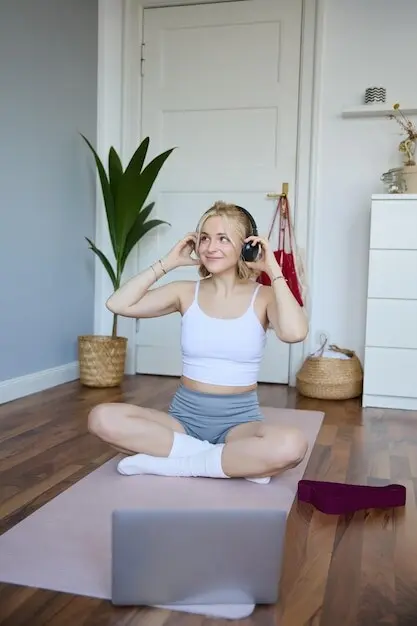
Discover movement swaps that deliver intensity without rattle or rumble. Each variation emphasizes stability, longer tension, and soft contacts. You’ll learn to replace ballistic bursts with controlled accelerations and strategic pauses, earning thicker muscles and steadier joints. Explore lower body, upper body, and core options that respect shared living while respecting your goals. Keep notes, rotate grips and stances, and enjoy measurable progress that no one downstairs will ever hear.

Programming Strategies for Apartments
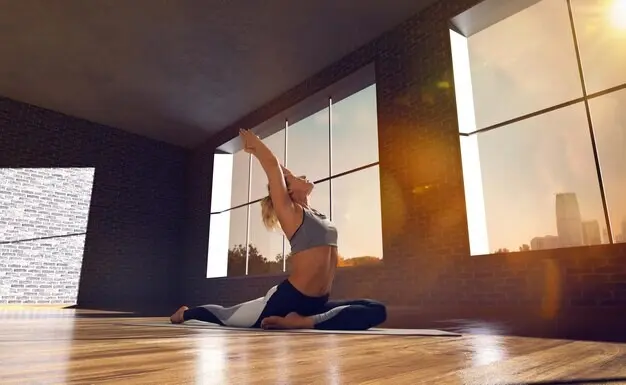
Your schedule, your space, and your neighbors matter as much as sets and reps. Program with acoustic constraints in mind: choose tempos that stretch tension, rest that tempers breath, and movements that challenge physiology without shaking beams. Learn to progress by load, range, stability, and pauses rather than height or impact. Align sessions with respectful hours. Keep logs, adjust intelligently, and enjoy sustainable gains supported by a peaceful living environment.

Real Stories and Wins from Upstairs Dwellers
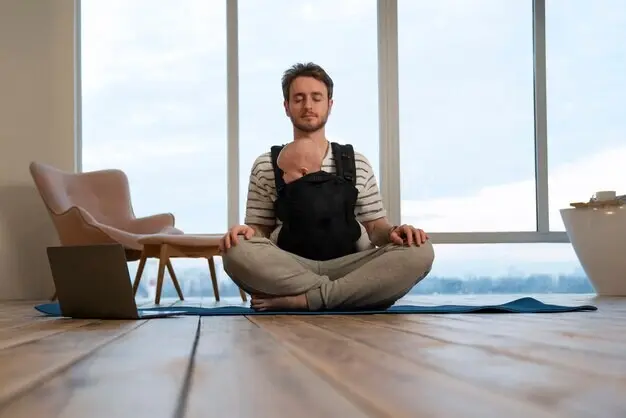
Success leaves quiet clues. These lived experiences show how small decisions—like a new mat or a slower lowering phase—change bodies and relationships at once. Each story offers practical tactics, reminders to stay patient, and proof that neighbor-friendly strength is more than possible. Let their momentum encourage your next session, and share your own victories so someone else can discover the same peaceful progress.

Checklist and Habit Builders for Consistency

Consistency favors simple cues and frictionless routines. Use this checklist to prepare your space, guide your focus, and finish with reflection. Small habits compound: a mat always ready, a session playlist set to low, and a water bottle within reach. Add weekly notes, celebrate quiet wins, and invite questions. Strong, considerate training becomes automatic when preparation is easy and progress is tracked with intention.
Kentolumadavolivovelto
Privacy Overview

This website uses cookies so that we can provide you with the best user experience possible. Cookie information is stored in your browser and performs functions such as recognising you when you return to our website and helping our team to understand which sections of the website you find most interesting and useful.