
Serene Mat Pilates for Small Spaces

Welcome to a calm, practical exploration of Quiet Pilates Mat Sessions for Compact Living Areas, where precision, breath, and softness reshape movement for city apartments and shared homes. Learn to protect sleeping neighbors, soothe tender joints, and strengthen deeply using minimal space, mindful sequencing, and sound-dampening setups that let your body work hard while your practice whispers. Share your quiet-space setup or questions so our community can learn from real homes like yours.

Designing a Quiet Movement Nook

Turn even a cramped corner into a peaceful studio by layering materials that absorb impact, arranging the mat along load-bearing walls, and clearing reach paths. We will balance aesthetics and acoustics, reduce vibration travel through floorboards, and create a ritual-friendly layout that invites consistent practice without clutter, clatter, or awkward furniture shuffles.

Soundless Surface Strategies

Pair a dense, closed-cell Pilates mat with a natural rubber topper, then float the stack over a folded cork rug or puzzle foam to interrupt vibrations. Barefoot practice, rounded jewelry-free wrists, and towel-buffered props further quiet contacts, protecting downstairs neighbors and keeping your nervous system comfortably focused on control.

Smart Storage That Doubles as Support

Choose ottomans with firm lids, nesting blocks, and slimline bolsters that slide under a sofa yet emerge as stable platforms for seated work. Magnetic wall hooks manage rings and bands silently, while soft baskets prevent clanks, shaping a compact, adaptable studio that sets up and clears away in seconds.

Lighting and Air for Calm Focus

Use warm, indirect lamps placed below eye level, pair with a quiet fan that moves air without rattles, and crack a window if street noise is low. Gentle airflow cools effort, while soft light minimizes strain, helping you maintain smooth, steady form during slow transitions and holds.

Breathwork for Whisper-Quiet Control

Breath shapes sound and stability. By emphasizing lateral rib expansion, soft hissing exhales, and throat relaxation, you decrease bracing, reduce grunts, and smooth tempo. These cues anchor concentration, protect the pelvic floor, and guide force evenly through the torso, so movements land feather-light on silent mats.

Sequences Tailored to Tight Floor Plans
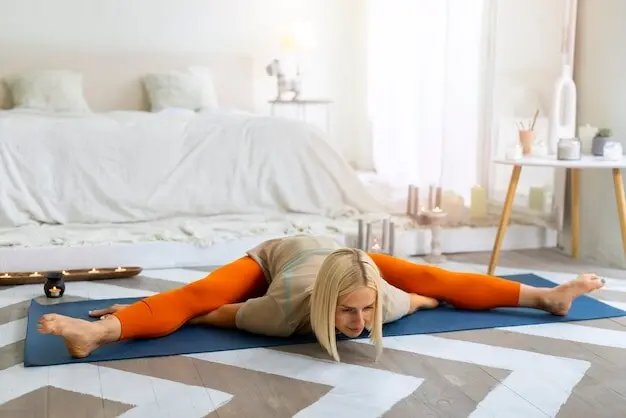
Compact Flow: Supine to Side-Lying

Begin with pelvic clocks and knee folds, then roll to clamshells, side kicks, and book-openers without ever swinging legs wide. Your mat remains command central, borders respected. The simplicity fuels depth, unveiling steadier hips, longer breath, and quieter resets that keep neighbors blissfully unaware of effort.

Chair and Wall Assists Without Clatter

Stabilize hands on a padded chair back or forearms on a yoga bolster against a wall, then practice heel raises, standing roll-downs, and hip hinges. Each contact is cushioned, each cue deliberate, giving you vertical options that challenge balance while avoiding squeaks, scrapes, and echoed taps.

Strength Without Stomping: Isometrics and Pulses

Replace bounding variations with elastic holds at loaded end ranges, fine-tuning joint positions to recruit deeply without momentum. Micro-pulses around neutral, anchored by breath, light up hamstrings, glutes, and lats. The work is quiet yet profound, rewriting habits that previously relied on forceful, noisy exertion.

Protecting Floors and Neighborly Peace

Apartment living rewards considerate strategy. Layered mats distribute load, while anti-vibration pads under furniture stop sympathetic rattles. Choose training windows outside quiet hours and test moves during the day. This respectful approach preserves relationships, reduces anxiety about noise, and lets discipline flourish without second-guessing every controlled exhale.

Deep Core, Gentle Volume

Build intensity by coordinating diaphragm, pelvic floor, and deep abdominals so pressure stays balanced and joints glide. This refined engine replaces showy motions with intelligent force distribution. You will feel stronger, stand taller, and still move softly enough to keep a baby or beagle sleeping nearby.

Pelvic Floor Whisper Cues

Visualize drawing the sitting bones toward each other and subtly lifting the hammock upward on exhale, then fully release. Avoid gripping the glutes or holding breath. Gentle timing coordinates with ribs, stabilizes pelvis, and trims noise created by sudden bracing or uncontrolled dropping between positions.

Transverse Abdominis: Corset Without Crunch

Think of zipping from pubic bone to navel as if sliding on snug, supportive jeans, while ribs float wide and shoulders relax. This subtle wrapping action prevents spinal shear without loud floor contacts, empowering roll-ups, dead bugs, and leg lowers executed with grace and almost monastic quiet.

Scapular Stability That Doesn’t Squeak

Glide shoulder blades down and wide during weight-bearing, pressing fingerprints evenly to prevent wrist slaps or elbow knocks. When lats and serratus share duty, transitions feel buoyant. Planks on forearms, slow swimmers, and side planks on knees grow powerful yet hush their soundtrack to gentle breath.

Habit, Joy, and Sustainable Progress
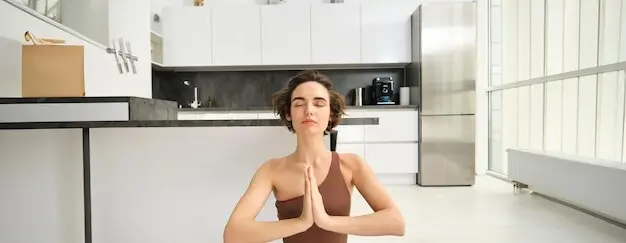
Small-space training thrives on consistency and delight. Build micro-rituals around music-free cues, warm tea, and post-session stretches that double as reflection. Track two variables—breath ease and perceived quiet—to measure growth. Celebrate silent personal records and invite conversation with friends who also value respectful, restorative movement at home.
Kentolumadavolivovelto
Privacy Overview

This website uses cookies so that we can provide you with the best user experience possible. Cookie information is stored in your browser and performs functions such as recognising you when you return to our website and helping our team to understand which sections of the website you find most interesting and useful.