
Quiet Fitness That Respects Your Neighbors

Today we focus on Exercise Modifications and Floor Padding Tips for Noise-Sensitive Buildings, bringing practical, renter-friendly strategies that protect peace while keeping your training effective. You will learn how to swap high-impact moves for controlled alternatives, layer resilient materials that actually reduce vibration, and communicate courteously with neighbors. Expect science-backed pointers, real-life stories from apartment athletes, and easy wins you can try tonight. Share your successes, ask questions, and help this community refine techniques that keep hearts strong and hallways calm.

How Sound Travels Indoors

Before changing your workouts, understand how sound sneaks through floors, walls, and structural paths you cannot see. Impact noise, like footfalls and dropped weights, turns into structure-borne vibration, often more disturbing than music or voices. Dense materials help, but so does decoupling and smart scheduling. This foundation lets you choose the right moves and padding combinations, saving money and goodwill. Read, experiment, record results, and share your findings so others in similar buildings can adapt confidently.

Impact Noise Versus Airborne Noise

Airborne noise is sound traveling through air, like a coach’s voice or music, often reduced by closing doors or lowering volume. Impact noise comes from contact events, like hops or kettlebell set-downs, creating vibration that transfers across joists and ceilings. Padding helps, yet technique matters more. Control eccentric phases, avoid abrupt landings, and place soft interfaces at contact points. Track differences with a simple phone meter, then refine drills that deliver results without rumbling downstairs.

Reading Your Building: Floors, Ceilings, and Rules

Every building has an acoustic personality shaped by materials, spans, voids, and finishes. Hardwood over joists reacts differently than carpet over slab-on-grade, and suspended ceilings below you can amplify surprises. Learn house rules, quiet hours, and maintenance contacts willing to advise. Tap-test corners versus centers, note what rattles, and observe how bassy, thudding frequencies carry. This detective work guides placement of mats, furniture buffers, and workout zones, turning unknowns into predictable, neighbor-friendly choices.

Low-Impact Cardio That Still Burns

Cardio without commotion is absolutely possible using cadence control, resistance, and continuous time-under-tension. Stationary cycling, compact rowers, and under-desk ellipticals deliver robust stimulus with negligible floor shock. If equipment is limited, march patterns, shadow boxing with sliders, and rope-less skipping preserve rhythm quietly. Combine breath pacing and interval structures to spike effort while keeping contact soft. Share your favorite silent intervals, and compare heart-rate graphs to prove performance can rise while the building stays tranquil.

Silent Intervals With Tempo Control

Use intervals that manipulate cadence, resistance, and breath rather than height. On a bike or mini-elliptical, escalate tension for thirty seconds while anchoring shoulders and relaxing grip. Off equipment, drive marching knees with deliberate toe-rolls and soft heel kisses, never stomps. Pair work with nasal breathing to stabilize core and reduce bounce. Track rating of perceived exertion alongside decibel snapshots to ensure performance goes up while floor shock stays impressively low, even during your peak sets.

Space-Saving, Soft-Contact Drills

Gliding patterns using furniture sliders or thick socks transform living-room space into a smooth track. Lateral slides, reverse lunges, and mountain-climber variations keep feet skimming, minimizing jarring forces. Shadow boxing emphasizes crisp rotation without heavy footfalls; focus on hip whip and quiet, springy knees. Build pyramids of time that challenge lungs, not floors. Log which movements trigger creaks, then adjust stance width or mat layers. Invite readers to post video clips for gentle, supportive critique.

Stronger, Quieter: Resistance Training Adaptations

Strength thrives on control, which conveniently lowers noise. Choose slow eccentrics, soft set-downs, and stable bases. Prioritize bands, cables, and adjustable dumbbells managed over protective pads. Floor contact should always be buffered, and transitions planned to avoid clatter. Water or sand-filled implements absorb shock better than rigid metal. Embrace unilateral training for intensity without weight increases. Share your minimal-noise personal records, favorite isometrics, and tips for fatigue-proof re-racking that keeps the ceiling below blissfully still and gratefully undisturbed.

Swap Drops for Controlled Negatives

Make gravity your quiet coach. Lower weights for four to six seconds, keeping elbows hugged and wrists aligned, then pause gently at the bottom. This enhances hypertrophy, joint awareness, and silence. When finishing a set, descend to the mat with intent, then slide dumbbells together on a towel rather than clanking. Record time-under-tension per set instead of chasing loud personal records. The payoff is denser strength and a calmer apartment, especially during evenings when sound sensitivity rises.

Bands, Cables, and Water-Filled Weights

Elastic resistance eliminates hard impacts by loading most when movement slows, naturally promoting control. Anchor bands at door frames with protectors to prevent squeaks. Compact cable units deliver smooth tension in small spaces. Water-filled dumbbells and sandbags cushion landings while challenging stabilizers. Layer a yoga mat over dense rubber before contact. Build circuits alternating planes and grips to create significant training density. Report which anchor heights and resistances felt best, then crowdsource quiet alternatives for tricky home layouts.

Floor-Friendly Kettlebell and Dumbbell Strategies

Kettlebells and dumbbells excel when technique emphasizes quiet transitions. Rack and park tools on padded zones marked with tape. For swings, select lighter bells and shorten the arc, prioritizing hinge crispness and soft midfoot pressure. Replace cleans with high pulls if re-racking thumps. Land rows and presses on folded towels over rubber to avoid ringing. Practice the parking position until it becomes automatic, even while fatigued. Celebrate smoother movement on video, then recommend mat stacks that neutralized vibration best.

Layering Strategy That Actually Works

Start with a large area rug to prevent sliding, then place dense rubber tiles for mass. Add a cork or EVA layer to rebound energy softly. Top with a grippy yoga mat for traction and sweat management. Under equipment feet, position anti-vibration blocks. In corner-prone rooms, double the layers where shock concentrates. Test each stage with light heel taps and record decibel changes. Iterate until the loudest frequencies drop meaningfully, then teach your method to readers needing confidence.

Choosing Materials for Your Budget and Space

Prioritize durability, thickness, and reversibility. Interlocking rubber tiles offer weight and coverage; cork adds eco-friendly resiliency; EVA provides cushion at lower cost. Heavy towels or folded moving blankets help temporarily under landing zones. If funds allow, consider mass-loaded vinyl beneath removable layers, respecting lease guidelines. Measure doors and clearances to avoid trip hazards. Collect community feedback on longevity and smell, and maintain a shared spreadsheet of sources, prices, and shipping surprises to spare others unnecessary frustration and expense.

Etiquette, Scheduling, and Measuring What You Can’t See

Quiet culture is built through data and empathy. A simple decibel app notes peak events, helping you rearrange sets or add padding precisely where needed. Schedule higher-intensity blocks during friendly hours, and reserve static holds for mornings or nights. Introduce yourself to neighbors proactively and invite feedback. Small notes on the bulletin board disarm complaints. Track weekly average peaks like workouts. Share your charts and scripts for difficult conversations, proving that thoughtful training can coexist with shared living beautifully.

A Simple Noise Audit You Can Do Tonight

Pick three spots: center of room, near a shared wall, and above a neighbor’s likely ceiling light. Perform a minute each of marching, light step-backs, and weighted pick-ups with padding. Log peaks and record which frequencies feel rumbly. Add towels or sliders, repeat, and compare. This quick loop teaches more than guesses, revealing modest tweaks that outperform expensive gear. Post your audit template so readers can replicate, then report back with improvements after two weeks of consistent application.

Communication That Builds Goodwill

A friendly note beats an apology after frustration. Introduce yourself, acknowledge varied schedules, and share a rough window for moderate activity. Offer your phone number for quick coordination and invite honest feedback after changes. When someone raises concerns, respond with specifics you will trial next session, such as thicker padding, slower eccentrics, or a new schedule. Celebrate wins with small gestures, like cookies or a kind message. Encourage readers to share respectful scripts that turned tension into neighborly collaboration.

Routine Design Around Quiet Windows

Map building rhythms: early commuters, napping infants, evening study blocks. Slot isometrics, mobility, and breathwork into sensitive periods, saving cycling or rower sprints for agreeable hours. Organize equipment the night before to minimize clatter. Use headphones at low volume to reduce compensatory foot thumps. Keep a backup zero-impact circuit for unexpected quiet hours. Publish your weekly plan so others can adapt the template, then iterate together based on seasonal changes, holidays, and evolving household needs for durable harmony.

Mobility, Core, and Recovery Without a Sound
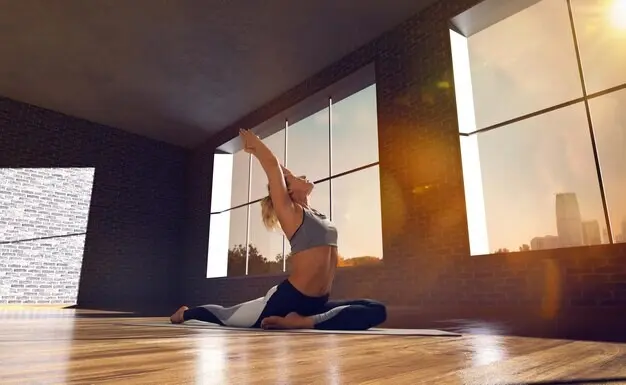
Mobility and recovery naturally complement quiet living while sharpening performance. Choose slow flows, long exhales, and controlled core patterns that teach stiffness without stomps. Foam rolling over towels reduces rattles, while massage balls in socks limit floor chatter. Dim lights, nasal breathe, and extend exhales to calm your nervous system before bed. This block restores joints, deepens sleep, and builds resilience for tomorrow’s training. Share peaceful routines, breath counts, and mat stacks others can borrow during delicate hours.
Kentolumadavolivovelto
Privacy Overview

This website uses cookies so that we can provide you with the best user experience possible. Cookie information is stored in your browser and performs functions such as recognising you when you return to our website and helping our team to understand which sections of the website you find most interesting and useful.